Healthy Smiles

Dr. Danielle Haman-Smith has been treating children of all ages throughout Jefferson and Oldham counties for years, and we cannot wait for your little ones to join our dental family.
Dr. Danielle Haman-Smith has been treating children of all ages throughout Jefferson and Oldham counties for years, and we cannot wait for your little ones to join our dental family.
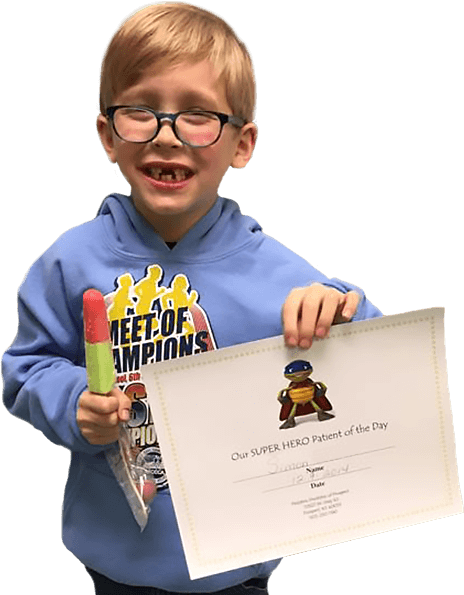
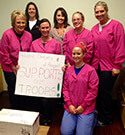
Dr. Danielle takes pride in our local practice and loves building relationships with area families.
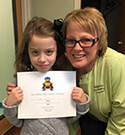
Our team is great with all types of personalities and is always focused on happy, healthy experiences.
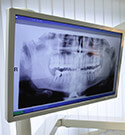
Your family’s health is important to us. We use low-radiation x-rays & an all-digital intraoral scanning system.

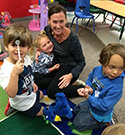
We support Oldham and Jefferson county schools, fundraisers and get involved with local charitable events.
Most PPO insurances and Medicaid are proudly accepted, and we offer affordable payment options.

We treat special needs children and adults, because everyone deserves a functional, vibrant smile.
When it comes to selecting the right dentist for your child’s oral health care, many factors come into play. Credentials and personality are the two leading reasons most parents select our office, and we know once you visit us in Prospect you’ll agree. As a Board Certified pediatric dentist, Dr. Danielle Haman-Smith is exceptionally qualified to offer children gentle, caring dentistry that promotes healthy smiles. Joined by an equally kind and skilled team, it is her goal to always make experiences positive, fun and thorough.
Meet Dr. Danielle Meet Our Team

Our office is a proud in-network provider with many of the nation’s leading PPO plans, including Delta Dental, Aetna, MetLife, Guardian, and more. We also accept Medicaid and offer affordable financing to fit the care your little ones need within any monthly budget.